Boston long weekend: big-city fun, kid-sized pace (Must:pace; Opt:wishlist; Skip:overplan)
We almost overplanned Boston on day one—until I mapped “quick” stops and realized how fast kid legs hit a wall on brick sidewalks. This weekend works best if you treat walking like your main activity, not just the connector: one anchor plan per day, plus one flexible add-on you can drop without guilt when energy dips or weather turns.
Base yourself somewhere you can reset easily (Downtown/Waterfront if you want walkable classics; Cambridge if you’re prioritizing hands-on science). The trade isn’t just price—it’s friction: downtown hotels cost more but save you mid-afternoon transit; cheaper options farther out can mean two extra transfers right when kids are least cooperative.
Keep a small “wishlist” (Duck boat, harbor cruise, Fenway photo stop) and only spend money on timed tickets you’re confident you’ll use. Boston crowds and lines aren’t constant, but they spike fast—especially late morning—so an early start usually buys you the calm you’ll otherwise pay for in rideshares and snacks.
Day 1—Downtown classics (Must:Freedom Trail; Opt:Duck; Skip:long museums)
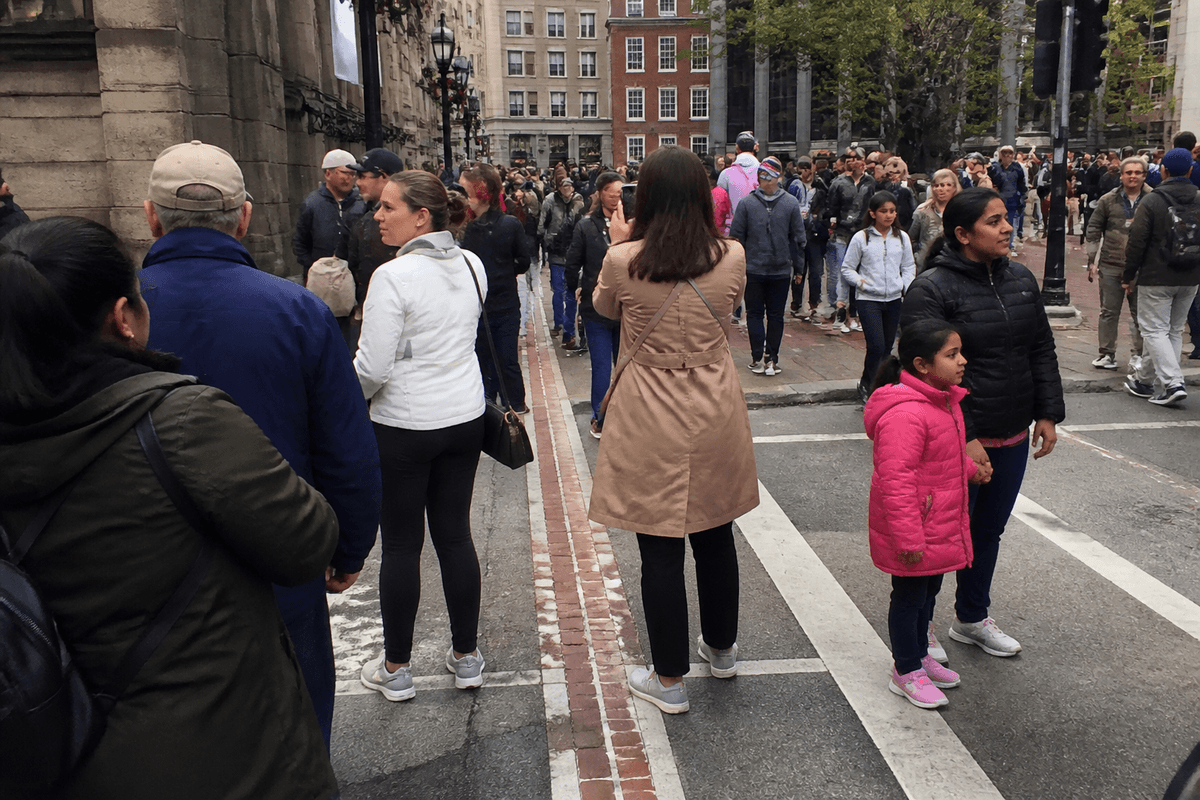
We started Day 1 with the Freedom Trail ambition of “doing the whole thing,” and immediately ran into the reality that it’s less a trail and more a decision tree. The red line is easy to follow, but kid stamina isn’t: aim for a short, high-payoff stretch (Boston Common → Granary Burying Ground → Old State House/Faneuil Hall area) and treat anything beyond that as bonus. Morning works noticeably better—cooler temps, fewer tour groups, and you’re not competing with lunch crowds for sidewalk space—while late morning turns simple crossings and photo stops into slow-motion herding.
What helped was picking a “history format” that matched our kids. If yours like stories but not standing still, a ranger/tour-style stop can be a win; if they like autonomy, let them be the navigator and “collect” sites like checkpoints. The friction point is that several indoor highlights (Old North, Paul Revere House) are small, timed, and can bottleneck fast—great in theory, frustrating when you’re watching the clock and someone needs a bathroom.
If legs are fading by early afternoon, this is where a Duck tour earns its keep: you sit, you still see a lot, and it resets everyone without you negotiating another mile of cobblestones. It’s not cheap, and the schedule can lock you in, but it’s a cleaner pivot than committing to a long museum visit downtown—those can be excellent, just not when you’re already running on snacks and momentum.
Day 2—Cambridge + hands-on learning (Must:Museum of Science; Opt:Harvard Yard; Skip:shopping)
We hesitated on Cambridge because it looked “close” on a map, but the morning math mattered: a couple of wrong turns or a slow Green Line platform wait can eat the calm you were hoping to buy. The Museum of Science is the kind of place that rewards being there near opening—hands-on exhibits feel genuinely hands-on before school groups stack up—and it’s also a reliable weather-proof plan when Boston decides to swing from sunny to windy in an hour. It’s not a quick pop-in, though; if you try to see every floor, you’ll run out of patience before you run out of exhibits.
What worked for us was treating it like two focused “sprints” with a reset in between: pick a must-zone for each kid (space? engineering? the live-animal areas), then take a real break—food, bathrooms, and ten minutes of doing nothing—before you attempt a show or another wing. The limitation is cost creep: tickets, a paid add-on, and museum café prices can quietly turn this into your most expensive day if you don’t decide in advance what you’re skipping.
If everyone still has fuel late afternoon, Harvard Yard is a good contrast because it’s free and open-ended—you can wander, peek at buildings, and let kids burn off the “indoor voice” energy. Shopping in Harvard Square sounds convenient in theory, but it’s a high-friction detour with crowds and “can I get this?” negotiations that doesn’t pay back much unless you’ve built in a firm time limit.
Day 3—Waterfront wow (Must:Aquarium; Opt:harbor cruise; Skip:full Seaport day)
On Day 3 we aimed for the New England Aquarium early, partly for the animals and partly because it’s the rare Boston “headline” stop that doesn’t demand miles of walking to feel worth it. Getting there right around opening mattered: the central tank is a magnet, and once school groups stack up, the spiral ramps turn into slow-moving traffic that tests kid patience fast. It’s also an easy place to calibrate attention spans—if one kid wants to read every plaque and the other just wants seals, you can split your time without feeling like you’re missing the whole experience.
The aquarium’s constraint is that it’s not enormous, so the visit length depends on how much you linger (and how long you wait for popular exhibits). We did best treating it as a tight morning anchor, then stepping outside before everyone hit the indoor-wall feeling. The waterfront right there is perfect for a low-effort reset—fresh air, a snack, and space to move—without committing to another timed attraction.
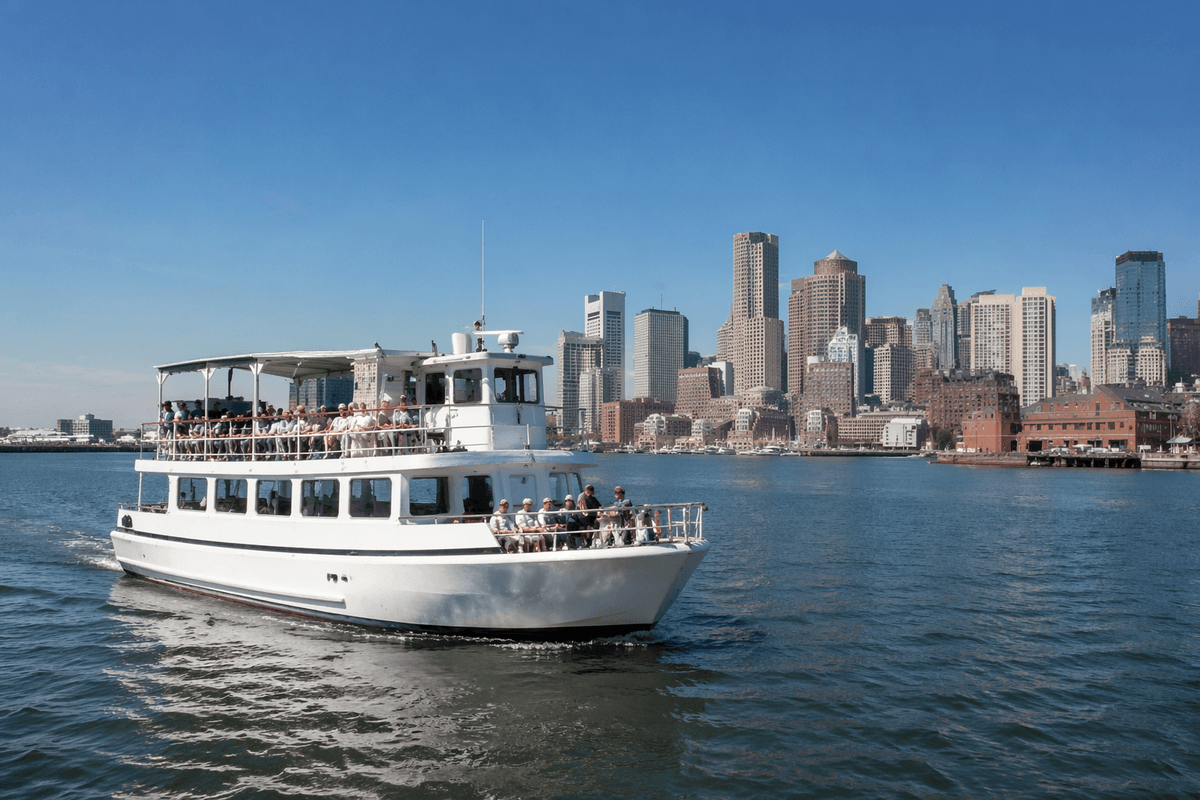
If the day is clear and you still have energy, this is where a harbor cruise can be the clean add-on: you’re seated, you get the “Boston from the water” payoff, and it’s a surprisingly effective mood reset after two walk-heavy days. What didn’t work for us was trying to tack on a full Seaport afternoon; it looks close, but it turns into extra distance and extra decision-making right when kids start bargaining for treats and shortcuts.
Day 4—Parks, play, goodbye (Must:Boston Common/Public Garden; Opt:playgrounds; Skip:rushed extra stop)
On our last morning, the only plan I wouldn’t negotiate was “green space first,” because checkout time and airport math make everything feel tighter than it is. Boston Common into the Public Garden works well as a slow goodbye: it’s free, central, and forgiving if someone’s already tired. We walked it like a loop rather than a march—short paths, frequent benches, and a hard stop when it stopped being fun. If you’re squeezing it in before a flight, it’s also one of the few Boston highlights that still feels complete even in a single hour.
The limitation is that “just a park” can still get complicated fast. Weekends pull in crowds, and wet grass or a chilly wind off the water can turn kids from delighted to done in minutes. If the weather’s iffy, aim for a quick circuit through the Garden and let the playground be your optional extension, not your entire plan—otherwise you’ll end up negotiating mud, meltdowns, and one more bathroom sprint right when you should be heading back for bags.
What we skipped (on purpose) was the tempting “one last stop.” With luggage, tired legs, and a fixed departure time, that extra museum or neighborhood detour didn’t feel like a bonus—it felt like a risk. Leaving Boston with an unhurried hour in the Common beat leaving with a rushed taxi ride and kids who only remember the stress.