Bland eating sounds easy until symptoms disagree
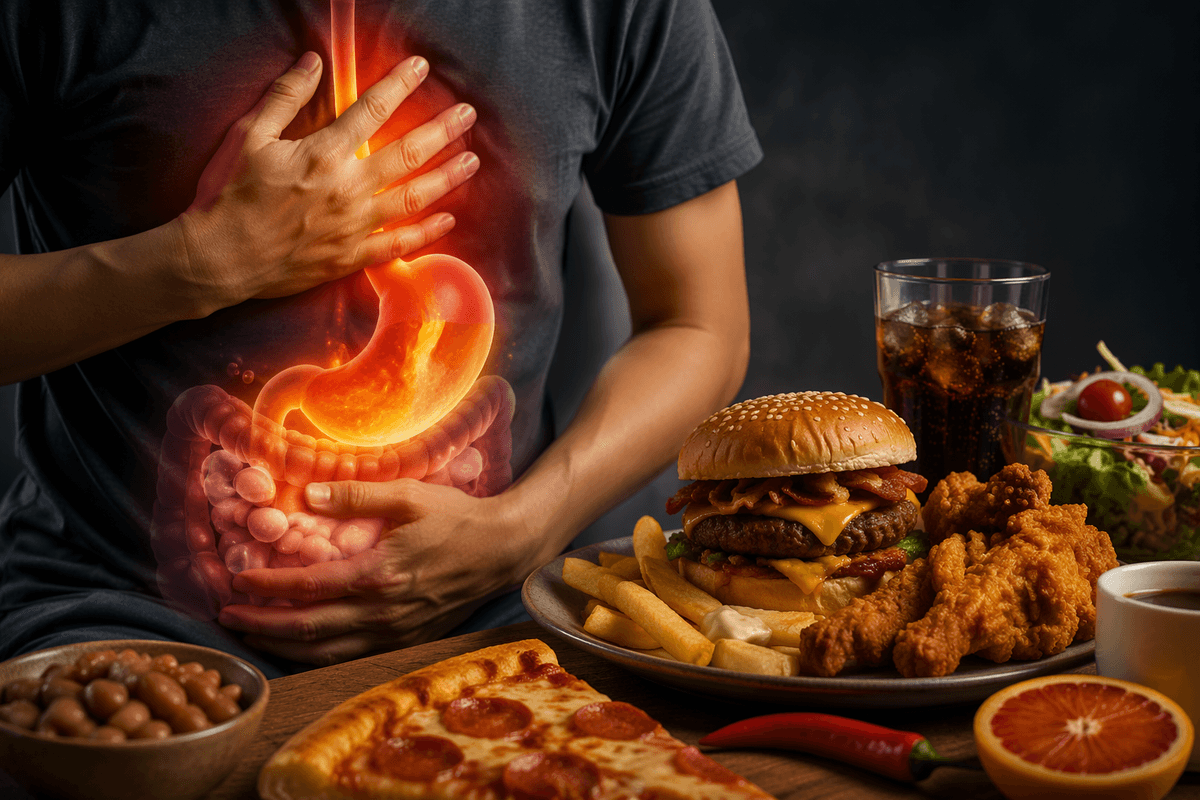
It often starts with that small, familiar burn after a few careful bites, which is what makes “just eat bland” feel less simple than it sounds. Toast, crackers, plain rice, or bananas may seem like safe choices, yet symptoms do not always follow the label on the food. A meal can look gentle and still sit badly, while something less obvious causes little trouble. That inconsistency can make people blame the wrong thing.
Part of the confusion is that irritation is not only about flavor. When the stomach or duodenal lining has lost some of its protection, acid and digestive juices may keep reaching tender tissue. Then timing, portion size, coffee habits, pain relievers, and even going too long without eating can shape how food feels afterward. What seems like a reaction to one ingredient may actually reflect an already irritated surface being asked to handle more than it can comfortably manage.
What drives ulcer flare patterns beneath the surface
One day the same lunch feels tolerable, and the next day it does not. That swing often happens because the sore area is reacting to more than the food itself. When the stomach or duodenal lining has been weakened, acid and digestive enzymes may keep touching exposed tissue, so even ordinary digestion can feel sharp or hot. If H. pylori is present, or if pain relievers like ibuprofen or naproxen are used often, the protective mucus layer may recover more slowly. The result is a pattern that seems random from the outside but is not really random underneath.
Coffee, smoking, long gaps without eating, large meals, and late-night eating may each change how much acid is around or how long food stays in contact with an irritated area. That is why someone may blame tomatoes, bread, or yogurt when the deeper issue is a stomach already under strain. In some cases, the discomfort is less about one “bad” food and more about a healing process that keeps getting interrupted.
Gentle foods usually win on texture and acid
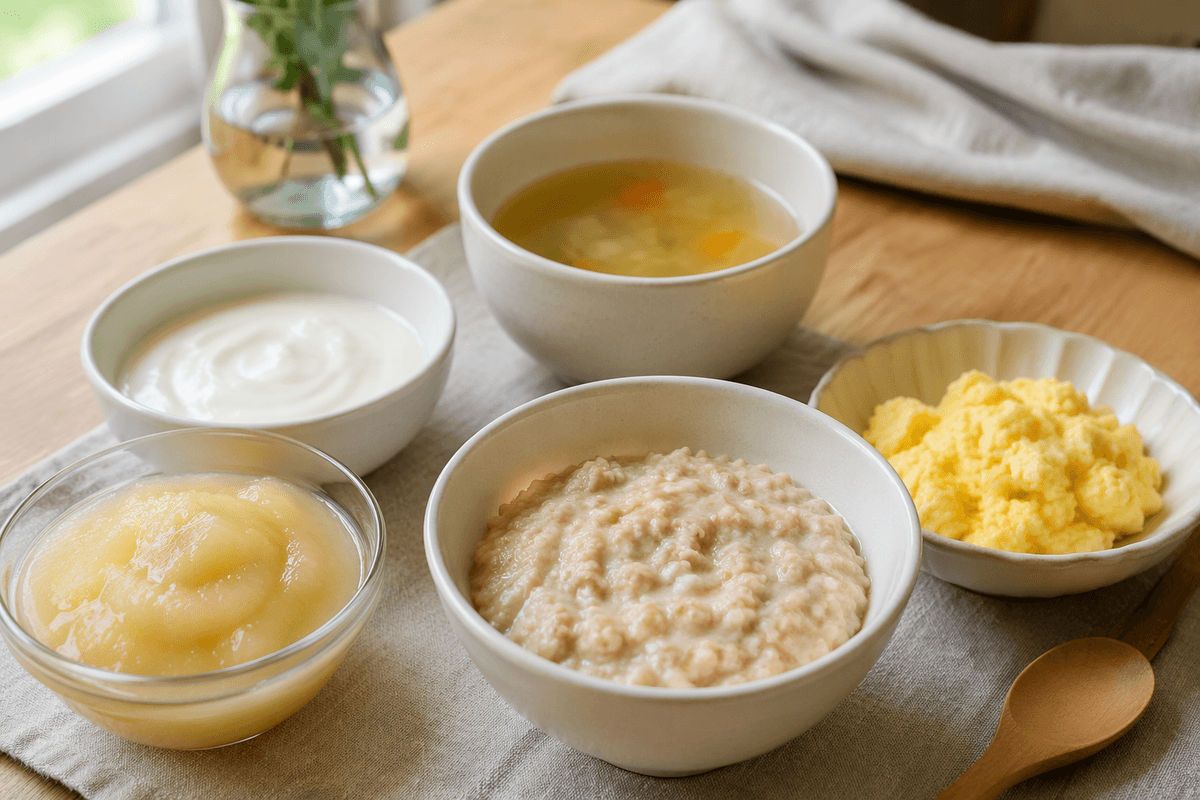
A few bites of oatmeal, applesauce, or soup may feel easier almost immediately, and that is usually not an accident. Softer foods tend to need less grinding and stretching in the stomach, which can matter when the lining already feels reactive. They may also arrive with less acid, less spice, and fewer rough edges, so the sore area is not being rubbed and bathed in irritation at the same time. That does not make them “healing” foods on their own, but it helps explain why they are often tolerated with less protest.
Dry toast may seem safer than yogurt or a scrambled egg, yet texture, temperature, and acidity can change the outcome more than plainness does. A soft, mild meal in a smaller amount may pass with less burning because it gives the stomach less work and may trigger less distress in the moment. Even then, tolerance is not perfectly consistent. If acid exposure is still high from pain relievers, coffee, or long gaps between meals, even gentle foods may only feel gentle for a while.
Healthy choices can still sting a healing stomach
The salad with citrus dressing or a bowl of tomatoes may look like the responsible choice, yet the stomach does not judge food by reputation. When the lining is already irritated, foods that are usually considered fresh or “clean” can still sting because acid, rough texture, or both reach tissue that has less protection than usual. That mismatch is part of why people sometimes feel frustrated by meals that seem healthy on paper.
Raw vegetables, high-acid fruit, vinegar, and heavily seasoned grain bowls can be hard to sort out because the discomfort may come from different directions at once. Some foods increase chemical irritation. Others take more grinding and mixing in the stomach, which means more contact with acid and digestive juices while the sore area is trying to recover. A meal can also be nutritious but too bulky, leaving the stomach stretched and active longer than feels comfortable.
That is why a softer, less acidic version of the same meal may go better than the “healthier” original. The issue is often not whether a food is good or bad overall, but whether it asks too much from a healing stomach at that moment.
Fat, fiber, and volume change the outcome
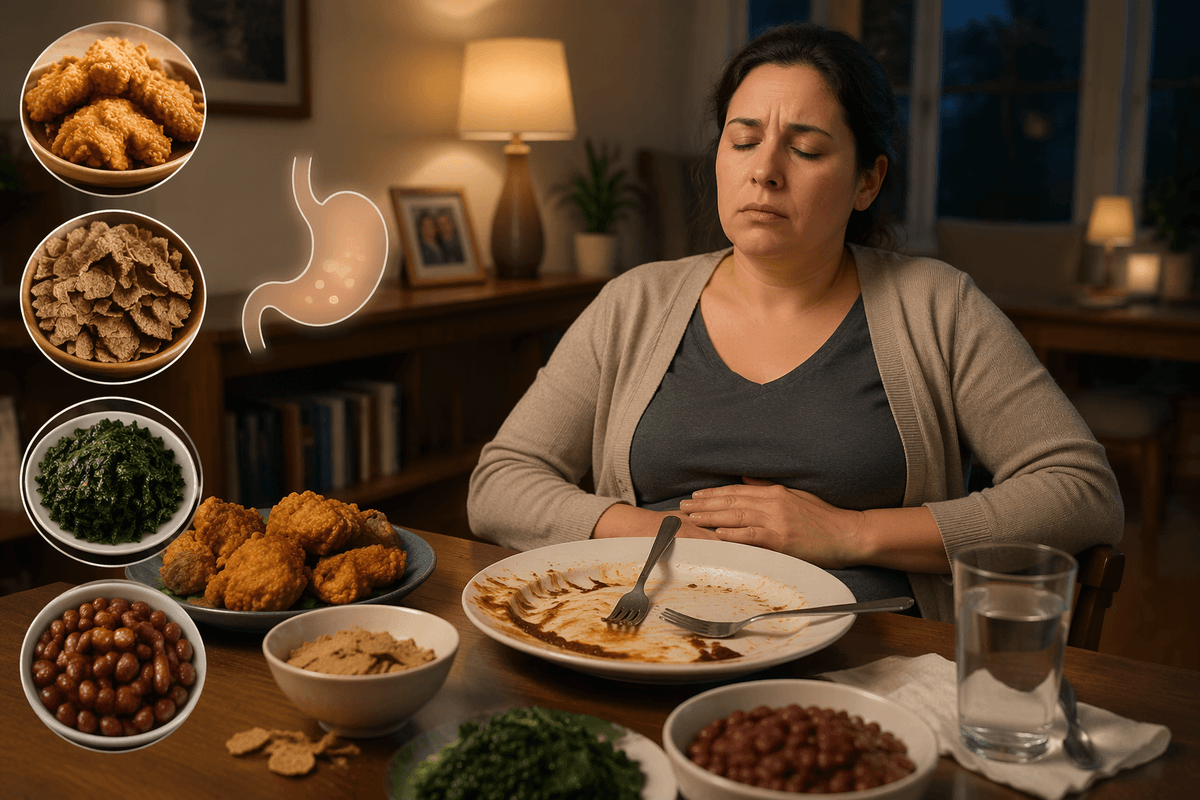
A meal can seem harmless until it lingers. That is often where fat changes the experience. Foods with more fat may slow stomach emptying, so food and acid stay together longer around already sensitive tissue. Fried foods are an obvious example, but richer sauces, cheese-heavy meals, pastries, and even large servings of nut butter can have the same effect. The discomfort is not always immediate, which makes the connection easy to miss.
Fiber creates a different kind of problem. Some high-fiber foods are healthy overall, yet raw vegetables, bran cereals, tough greens, and beans can take more work to break down. When the stomach is irritated, that extra grinding and stretching may feel like pressure, fullness, or nausea rather than a sharp burn. People sometimes read that as proof the food was “bad,” when it may be more about texture and effort than the ingredient itself.
Then volume adds another layer. Even a gentle food can backfire if the portion is too large, because a fuller stomach may produce more acid and stay active longer. If meals keep feeling unpredictable, the amount may matter as much as the menu.
Milk feels soothing but often misleads
The few cool swallows can seem to settle things almost right away, which is why milk gets remembered as a “safe” fix. The brief comfort is real for some people: it coats the mouth and throat, lowers the sharpness of acid for a moment, and may feel heavier and calmer than coffee or juice. That short-term relief can make it easy to assume the stomach itself is being protected.
The effect often does not last. Milk can stimulate acid production after that initial soothing phase, especially if it is a larger serving or higher in fat. Then the stomach may stay full longer, leaving more time for acid and digestive juices to contact irritated tissue. What feels helpful at 8 a.m. may turn into burning, pressure, or nausea later, which is why milk sometimes gets credit early and blame too late.
That mismatch matters when someone is trying to identify triggers. In some cases, the deeper issue is not the milk alone but an ulcer that is still being irritated underneath.
When food changes help less than expected
After a week or two of careful meals, the surprise is often not pain after the wrong food, but pain that keeps showing up anyway. That can make the whole effort feel pointless. In some cases, the food changes are reducing friction without touching the main reason the sore area stays irritated. If H. pylori is involved, if NSAIDs are still in the routine, or if smoking and frequent coffee keep layering on irritation, the stomach lining may not get much chance to recover even when meals are softer and smaller.
There is also a timing problem people often misread. A gentler diet may lower burning in the moment, yet nausea, gnawing pain, or overnight symptoms can continue because acid exposure and delayed healing are still happening underneath. That mismatch can lead someone to keep tightening the menu when the issue is no longer really the menu.
If symptoms keep breaking through despite consistent food changes, it may be a sign to look past the plate and take the pattern seriously rather than simply eating blander and blander.