Why Toronto surprises first-timers
The first surprise hit five minutes after we got off the UP Express: downtown Toronto feels compact on a map, but it doesn’t move like a “walk-everywhere” city once you factor in streetcar waits, stoplights, and the way attractions pull you in different directions. If you’re here for 3–4 days with a partner, your real constraint isn’t ambition—it’s transit time and decision fatigue.
Toronto also flips the usual North American script: the famous icons are easy to see, but the city’s personality shows up fastest when you let neighborhoods do some of the work. The practical catch is that “one quick stop” turns into two hours when you add queues, meal lines, and the temptation to linger. That’s why first-timers either overschedule (and end up exhausted) or under-plan (and spend prime hours debating what’s worth it).
And then there’s the weather factor, which can swing from sunny patio energy to wind off the lake that changes what sounds “doable.” The win, though, is that Toronto rewards a prioritized plan: book the few time-sensitive things, group the rest by area, and leave deliberate gaps so the city can surprise you without derailing the day.
Pick your Toronto base and neighborhood vibe
We almost booked a cheaper spot near Union Station out of convenience, then realized how often we’d be coming back through that area anyway—and how quickly it can feel sterile once the office towers empty out. For a first trip, I’d still stay downtown, but pick a base that matches how you actually like to end a day: the Entertainment District/Queen West if you want walkable dinners and a lively late-night pulse; Yorkville if you prefer quieter streets and easier “nice dinner” energy (at a higher nightly rate); or the Annex if you want a neighborhood feel with quick subway access, accepting that you’ll spend a little more time commuting to the waterfront.
If you’re aiming for a bucket-list plan without constant zig-zagging, build around two “home” zones: a central base (Union/King/Queen corridor) plus one neighborhood you’ll happily linger in. West side neighborhoods (Queen West, Ossington, Kensington Market) tend to be more rewarding for wandering and casual eating, but they’re slower to cross at peak times—streetcars are convenient until they’re not. East side options (Distillery District, St. Lawrence) are cleaner to pair with downtown icons, though they can feel more curated than spontaneous.
One small constraint that matters: check whether your hotel is on a subway line or mostly streetcar-dependent. In bad weather or when you’re tired, that difference decides whether you pop back to reset—or push through and start making worse choices just to avoid the trip “home.”
Bucket-list icons worth the hype

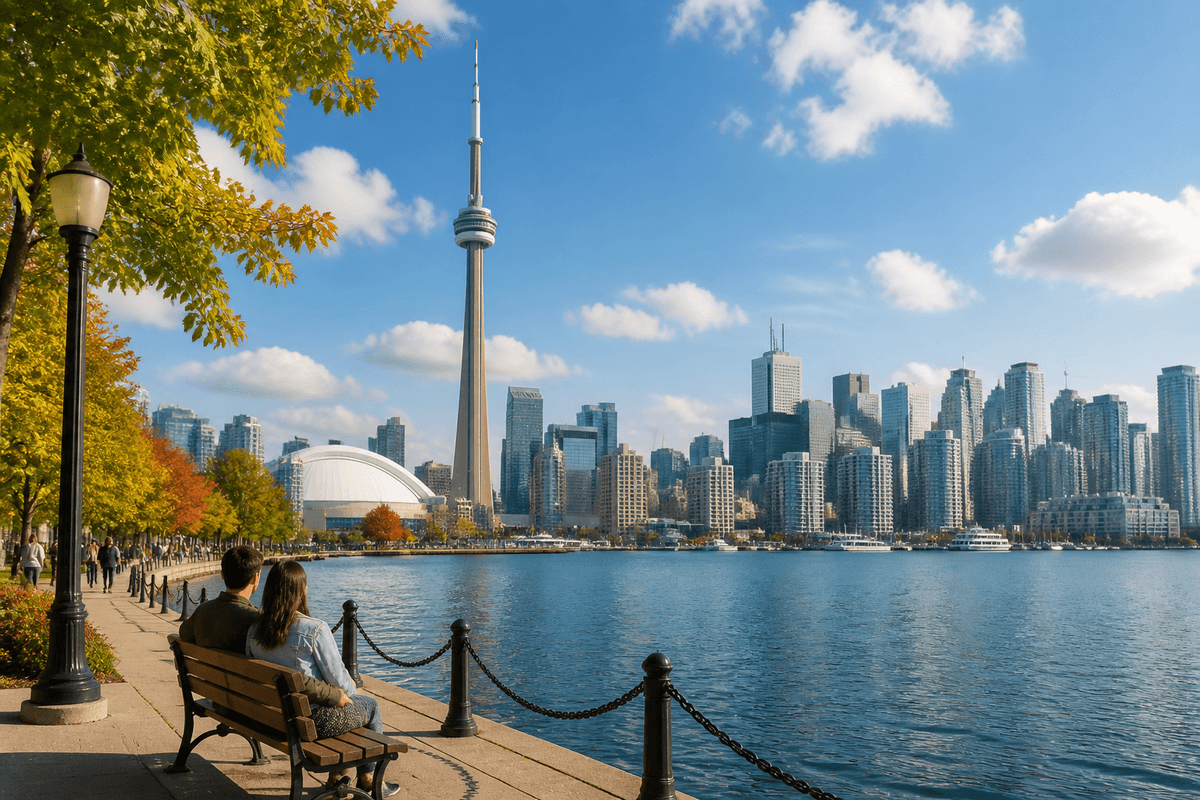
We hesitated on the CN Tower because it’s the kind of “you have to” sight that can quietly eat half a day if you hit it wrong. What worked: treating it like an appointment, not a spontaneous add-on. If you book a timed entry (especially in summer or on weekends), you’re buying back your afternoon; if you don’t, you’re gambling on queues that feel fine at 10 a.m. and punishing by early afternoon. The view is genuinely worth it on a clear day, but if it’s hazy or windy off the lake, the experience can flatten fast—worth checking the forecast before you commit.
The better pairing is to stack nearby, high-payoff stops rather than “tourist-hop” across town. The Toronto waterfront around Harbourfront works nicely as a decompression walk after the tower, but it can feel a little empty depending on season and event schedules. Ripley’s Aquarium is close and surprisingly solid if you want an indoor anchor (or you get caught in rain), but it’s expensive for the time you’ll spend inside, so it’s best when weather forces your hand.
If you only pick one classic neighborhood-feeling icon, I’d choose St. Lawrence Market (daytime) over Distillery District unless you’re specifically chasing photos and an evening drink. St. Lawrence has real “we’re in Toronto” energy and you can actually eat a meal there; Distillery is prettier, but it can feel stage-set and crowded at peak times. And if you’re debating a museum, the Royal Ontario Museum is the most flexible: easy to drop in for 90 minutes without building your whole day around it—just don’t expect a quiet experience during school-break hours.
Food, markets, and must-try local bites
We planned to “just grab something quick” at St. Lawrence Market and learned the hard way that weekends turn that idea into a line-management exercise. If you go, aim for late morning on a weekday when you can actually browse, split a peameal bacon sandwich, and still have room to sample without feeling rushed. The market works best as lunch, not a snack stop—once you’ve committed to walking there, it’s inefficient to leave hungry and then hunt for a second meal in the same hour.
Kensington Market is the opposite: less about one famous bite and more about letting your appetite steer. It’s rewarding when you’re okay with a little chaos (tight sidewalks, small shops, not much “sit down and reset” space), and it’s frustrating if you arrive starving and need a guaranteed table fast. We had better luck treating Kensington as a grazing zone, then walking or streetcarring to Ossington or Queen West for a proper dinner reservation where pacing is calmer.
If you want one “Toronto dinner” that feels special without turning into a chore, book a mid-week reservation and eat a little earlier than you would at home—downtown tables fill up quickly, and waiting hungry is where couples start negotiating in the least fun way. For everything else, keep one meal unplanned each day; the city’s best eating often comes from a detour, but only if you’ve left yourself the time to take it.
Easy day trips and waterfront escapes
We kept talking ourselves into a “real” day trip—Niagara, wineries, the whole production—until we did the math: from downtown, you can spend more time in transit and ticket lines than actually doing the thing you came for. Niagara Falls is iconic, but it’s a long, rigid day if you’re only in Toronto for 3–4 days, and it forces an early start that can make your next morning feel wasted. If you’re tempted anyway, commit fully (leave early, accept crowds, and don’t pretend it’s a half-day), or skip it and keep your trip city-shaped.
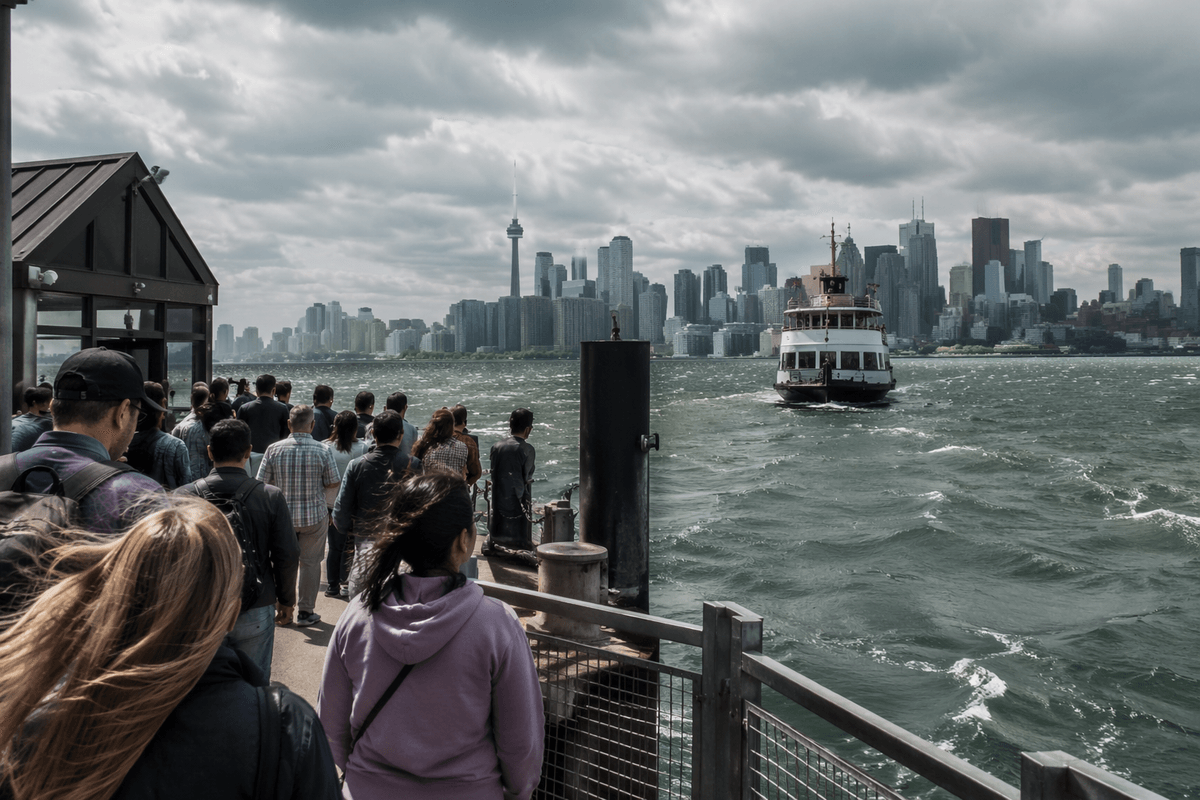
The easier win is the waterfront when the weather cooperates. Walking the Harbourfront can feel oddly quiet on a random weekday, but it’s low-effort and pairs well with anything near Union/CN Tower because you’re not spending your best hours crossing town. The Toronto Islands are the upgrade—more “escape,” better views back at the skyline—but they come with a real constraint: ferry timing and wind. If it’s gusty or the lines are long, the romance turns into a waiting game, so it works best when you go earlier and treat it as the plan, not a bonus after a packed morning.
If you want one low-friction “mini trip” that doesn’t hijack the schedule, consider a simple beach-and-boardwalk stretch (like Woodbine) for a couple of hours. It’s less famous than Niagara, but it buys you the mental reset you’re probably actually chasing—without sacrificing an entire day.
Make it yours: the ideal Toronto checklist
On our last morning, the only thing that felt “urgent” was deciding what deserved a fixed time slot versus what could flex with weather and energy. For a 3–4 day first trip, I’d lock in 1–2 timed anchors total (CN Tower and/or an evening dinner reservation), then let everything else stay neighborhood-based so you’re not spending your best hours in transit or lines.
My realistic checklist: (1) one skyline moment + a short waterfront walk the same day, (2) one market-led lunch (St. Lawrence on a weekday if you can), (3) one wander neighborhood (Kensington into Ossington/Queen West works when you’re okay with a little chaos), (4) one indoor fallback (ROM or the Aquarium) for rain or wind, (5) one “escape” block—Islands if ferry timing cooperates, otherwise keep it simple. If you’re debating between “more sights” and “more ease,” choose ease; it’s the difference between feeling busy and feeling like you actually arrived.