Why inositol appears beside familiar vitamins
That pause in the supplement aisle often starts the same way: the label looks familiar until one extra ingredient appears beside magnesium or B vitamins. Inositol tends to stand out for that reason. It is usually grouped with nutrients linked to stress, energy, or metabolic support, even though it works through a slightly different pathway.
Its popularity comes less from correcting a straightforward deficiency and more from the role it plays in cellular signaling. Inositol helps support the messenger systems cells use to respond to hormones and neurotransmitters. When those signaling patterns become less stable over time, the effects may show up indirectly—changes in appetite cues, energy regulation, focus, mood, or how consistently the body responds to daily routines.
That overlap explains why the ingredient appears in very different kinds of products. One formula may emphasize metabolic balance and insulin response, another may focus on mood and stress regulation, while a third frames it around general wellness support. The ingredient is the same, but the goal of the formula—and the effect marketers expect people to notice—can vary quite a bit depending on the context.
It sounds essential, yet works differently
That can make the label feel more important than it really means in practice. Seeing it near vitamins suggests the body uses it in the same straightforward way, as if more automatically fixes a shortage. But the interest around inositol usually comes from regulation, not from the simple idea of replacing something missing.
What matters is how it participates in signaling. Cells use inositol-containing compounds as part of internal messaging steps, helping them interpret cues from hormones and neurotransmitters. If those signals have become less consistent, the effects may show up in uneven ways: appetite feels harder to read, cycles become less predictable, or mood shifts seem out of proportion to the day. That inconsistency is part of why results can feel hard to compare from person to person.
So even though it can sound essential, it is not always being used with the same expectation as a classic vitamin. The intended target may be insulin response, or brain signaling, and each one can lead to a different kind of change—or very little at all.
Cell messages explain most of its reputation
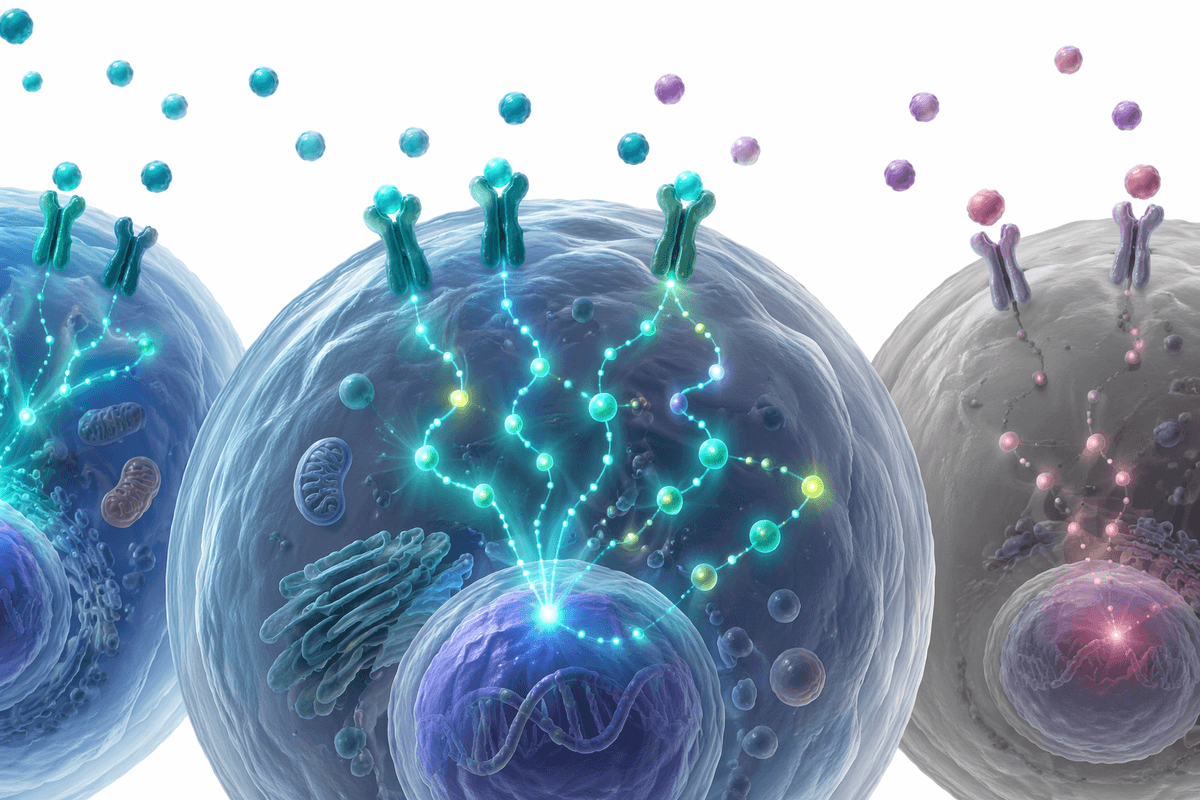
What tends to get overlooked is that the interesting part is not the powder itself but the signaling traffic underneath it. Inositol is involved in membrane structure and in messenger pathways that help cells turn outside cues into internal responses. Hormones and neurotransmitters do not work simply because they are present; they rely on receptors and downstream signaling inside the cell. When that relay becomes less coordinated, the body may still send the signal, but the response can appear weaker, slower, or more inconsistent.
That helps explain why the same ingredient appears across very different types of products. In one context, the focus is insulin-related signaling, where cells may gradually respond less efficiently to blood sugar cues. In another, the interest is in cycle regulation and hormone communication, where uneven signaling may contribute to irregular patterns over time. Mood-focused formulas lean on a different angle again: brain cells depend on signaling pathways that shape how messages are processed, not just whether a chemical messenger is present.
Its reputation mostly comes from that middle layer of communication. Many people expect a direct, immediate effect, but inositol is usually discussed in terms of how the body interprets and coordinates signals. That also explains why changes, when they happen, can feel gradual, subtle, or inconsistent from one person to another.
What drives this pattern beneath the surface
Sometimes the pattern shows up as a body that feels slightly out of sync with itself. Hunger seems delayed one day and sharp the next, energy dips arrive at awkward times, or a cycle becomes harder to predict without one obvious reason. That kind of inconsistency can push people to look for a single missing piece, but the deeper issue may be that several signaling systems are coordinating less smoothly than before.
Beneath that, cells are constantly deciding how strongly to respond to incoming cues. Hormones may be present, but their effect depends on whether the message is carried inward and translated properly. Inositol-related compounds are part of that relay. When the relay is less efficient, the result is not always dramatic; it may look more like a weaker response, a delayed response, or mixed signals between tissues. That helps explain why metabolism, and even appetite patterns can seem connected without behaving in exactly the same way.
It also explains why supplement expectations can drift. A person comparing labels may assume one ingredient should act the same everywhere, when the real target may differ depending on which signaling pathway seems most strained over time.
Insulin signaling is one reason it gets noticed
A common place this starts is with a meal that should have held someone longer but does not. Energy drops early, hunger feels oddly loud, or the afternoon turns into a search for something sweet. That does not automatically point to one problem, but it helps explain why inositol gets pulled into conversations about blood sugar and PCOS. Part of insulin’s job is to help cells respond to rising glucose after eating, and inositol-related compounds are involved in the signaling steps that help that message get through.
When that response seems less efficient, the body may still be making insulin, yet tissues do not react as smoothly. The result can feel inconsistent rather than dramatic: appetite cues are harder to read, energy feels less steady, and weight or cycle changes may start getting interpreted as separate issues when they may be linked by the same signaling strain.
A label may suggest “metabolic support,” but the hoped-for effect is really about improving how cells interpret insulin-related signals, not forcing a fast change. If that mismatch continues, the supplement can sound simpler than the biology behind it.
Brain pathways help explain the mood interest
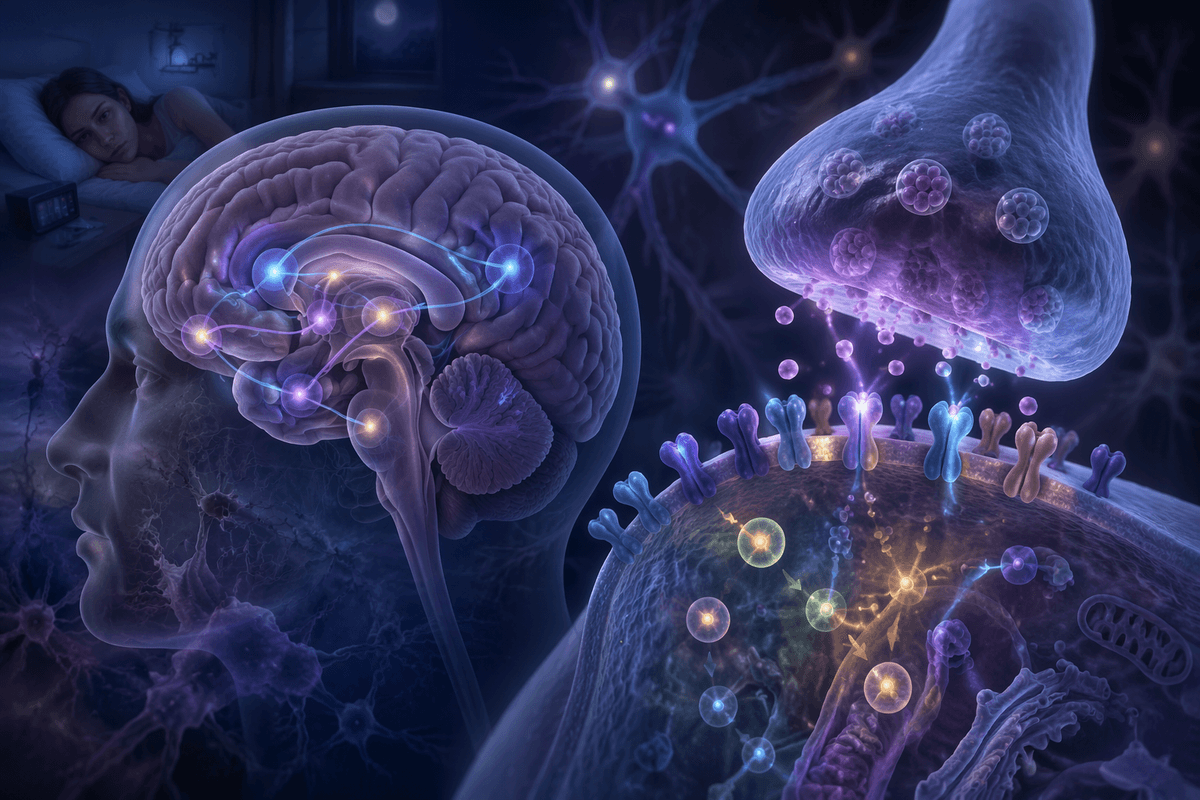
At another point, the confusion shows up less in appetite or cycles and more in the way a stressful week seems to linger in the mind. Sleep feels lighter, patience runs shorter, or the edge never fully comes off even when the schedule calms down. That is one reason inositol appears in mood-focused blends. The interest is not usually that it acts like a sedative, but that it is involved in signaling pathways brain cells use when responding to neurotransmitters.
That distinction matters because mood products often get interpreted as if they simply “raise” or “lower” a brain chemical. In reality, brain signaling is more layered than that. Receptors on nerve cells need follow-up messengers inside the cell to carry the signal forward, and inositol-containing compounds are part of some of those steps. If that internal relay is less efficient, the effect may be subtle: stress feels harder to recover from, thoughts stay sticky, or sleep and mood start influencing each other in an uneven loop.
So the mood interest is real, but still easy to overread. A label may imply emotional balance, while the actual idea is narrower: supporting signaling in pathways tied to how brain cells process incoming messages. If the hoped-for change is immediate or dramatic, that mismatch can matter.
A sensible supplement can still feel confusing
The confusion usually sets in after the label starts to sound reasonable. One product frames inositol around cravings or glucose support, another around cycle regularity, and another around calm or sleep. That overlap can make it seem broadly corrective, when the intended target may be much narrower. The same ingredient is being used to reach different signaling pathways, so the expected effect depends on which system a formula is actually trying to influence.
That is why results can feel inconsistent rather than clearly good or bad. If someone is hoping for steadier cycles, mood changes may be minor. If the goal is stress support, metabolic changes may be hard to notice. The mismatch is often not imaginary; it comes from expecting one signal-helper to behave like a general fix. Before adding it, it may help to decide which pattern you are actually trying to change.