That foggy slump: hunger, boredom, or fatigue?
Your eyes keep scanning the same line, and the urge to get up (or open a snack) shows up before you can name what’s wrong. It can feel like hunger, but it’s often muddier—part low energy, part restlessness, part “I just need something.” That uncertainty is what makes the slump so easy to misread.
One clue is timing. If the fog hits after a long gap since eating, your body may be pushing for fuel. If it hits right after something sugary or refined, the crash can be a rebound: blood sugar rises fast, insulin follows, and then energy dips, which can feel like sudden hunger even when your stomach isn’t truly empty.
Fatigue and boredom can mimic the same pull. When you’ve been still and focused for hours, your brain starts hunting for novelty or quick comfort, and a snack becomes the simplest interruption—whether your body needed food or just a break.
What drives focus swings beneath the surface
You may notice it first as a slightly hollow head feeling or a restless need to switch tasks, even if your stomach isn’t doing much. During long seated blocks, your brain is still burning through glucose, but your intake often comes in uneven bursts—coffee now, a sweet snack later, then nothing for hours. That mismatch can create focus that feels “on” for a short stretch and then suddenly slippery.
When quick-digesting carbs hit on their own, blood sugar can rise quickly, and insulin can push it down faster than you expect. The drop doesn’t always feel like classic hunger; it can show up as irritability, shaky attention, or an urgent need for something salty or sweet. It’s easy to misinterpret that as a willpower problem when it’s partly a timing-and-composition problem.
Protein, fiber, and some fat tend to slow stomach emptying and digestion, which can flatten those swings and stretch the time before cravings feel loud. But if you wait until you’re already foggy, the “fix it fast” choice is more likely—because your brain is prioritizing quick relief over a steady landing.
Why some snacks backfire despite good intentions
It often starts with a quick “responsible” grab—granola bar, pretzels, fruit snacks—because it feels better than skipping food again. Then 20–40 minutes later, the same fog creeps back in, and the snack that was supposed to help somehow seems to make you more snack-aware.
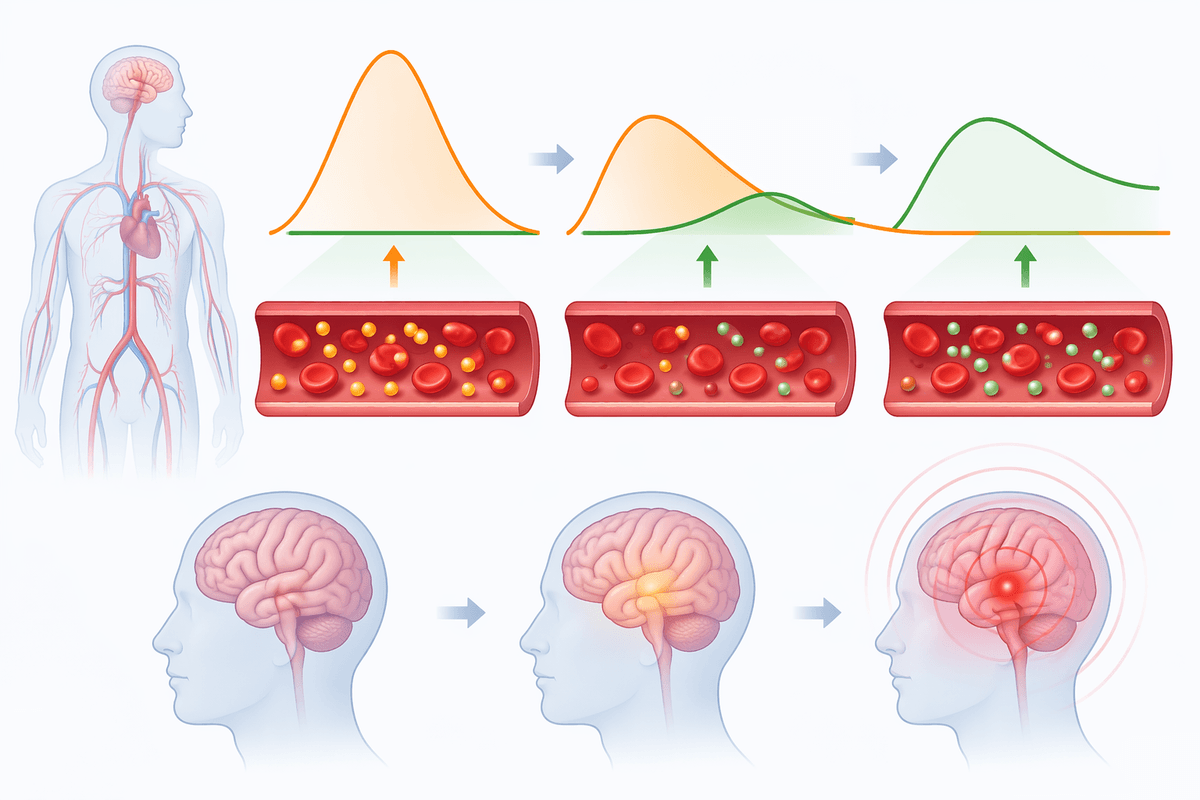
One reason is speed. Many desk-friendly snacks are mostly quick carbs, so glucose rises fast and insulin follows. When glucose falls again, your brain can read that drop as urgency, even if your stomach isn’t fully empty. That can feel like sudden hunger, impatience, or a need to chase the first bite with “just a little more.”
There’s also a quieter backfire: low fiber or protein means weaker satiety signals, and caffeine can blunt early hunger cues. So you may wait longer, snack later, and reach for something more intense—sweet, salty, crunchy—because your attention is already strained.
A simple balanced snack formula you can remix
Sometimes you feel the pull to “fix it fast” before you can think—especially when your attention is already fraying and you’re not fully sure if it’s hunger or a rebound dip. In that moment, a snack that’s mostly quick carbs can land like a match: brief clarity, then another tug soon after.
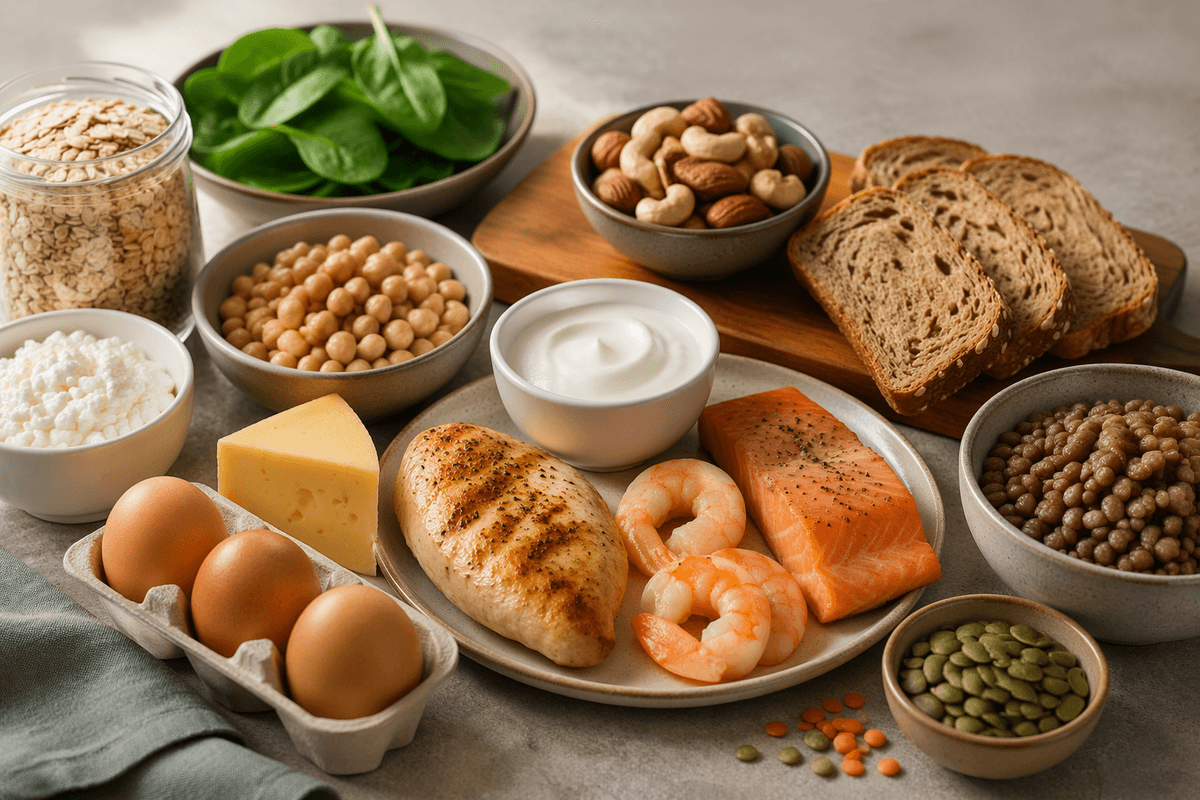
A steadier pattern is a simple mix you can repeat: one protein anchor, one fiber-rich carb, and a little unsaturated fat, plus fluid. Protein and fat tend to slow stomach emptying, while fiber slows how quickly carbs move into the bloodstream. That can soften the glucose-and-insulin swing that sometimes feels like sudden urgency, even when your stomach isn’t truly empty.
Think “pairing” instead of “portion perfection.” If a snack is missing one piece, it can still work—but it may wear off sooner, which is where the inconsistency usually shows up mid-session.
Snack ideas that support steady energy and mood
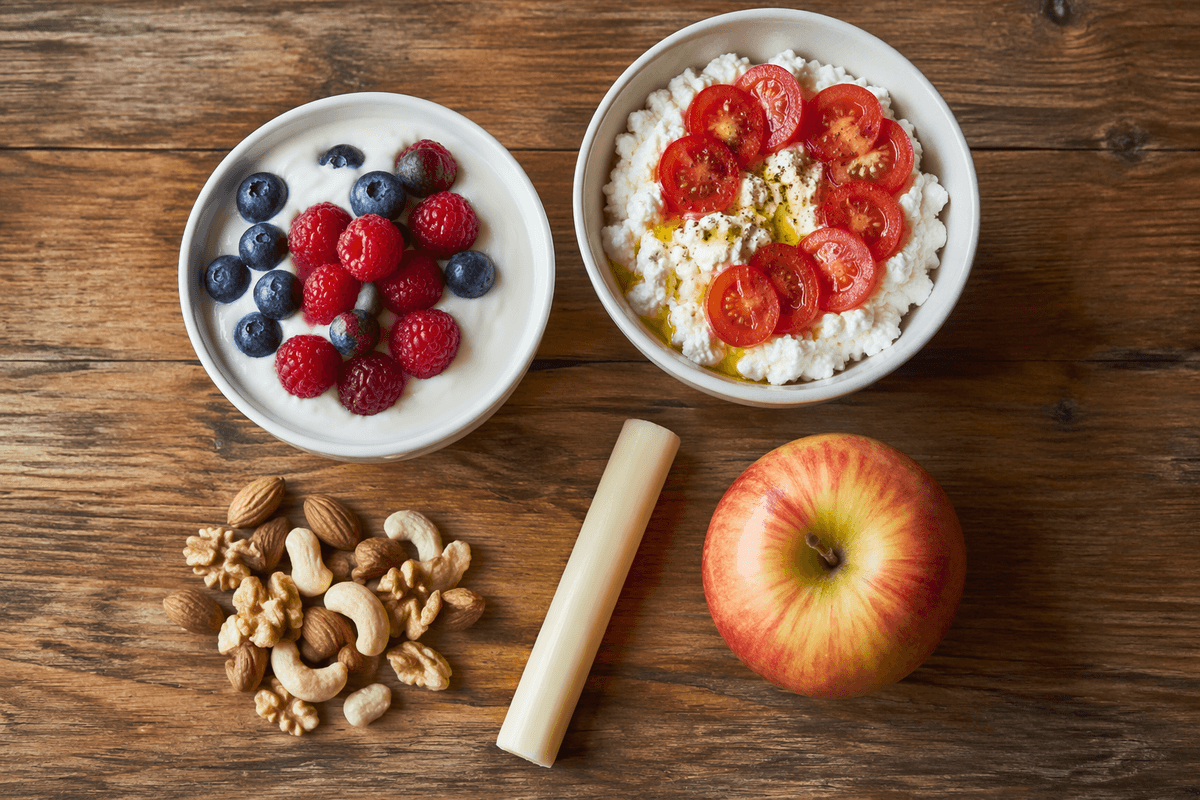
Halfway through a long block, you might notice your mood getting a little sharper before you notice hunger—more impatience, more “everything is annoying,” and a stronger pull toward something sweet or crunchy. That shift can be confusing, because it doesn’t always match an empty-stomach feeling. But when your brain is looking for quick relief, snack choices tend to get more impulsive and less steady.
Snacks that hold up longer usually have a “base” that digests slowly. Greek yogurt with berries and a few nuts, cottage cheese with tomatoes and olive oil, or a cheese stick with an apple can feel boring at first bite, but the steadiness is the point. The protein tends to support fuller-for-longer signals, and the fiber slows how quickly the carb portion shows up as usable fuel, which can reduce that rebound dip that feels like sudden urgency.
For something more savory, hummus with carrots or whole-grain crackers, edamame, or tuna on whole-grain toast often keeps attention from slipping as quickly as chips alone. If you’re craving sweet, peanut butter on whole-grain toast, chia pudding, or a small trail mix with nuts and dried fruit can scratch the itch without the same fast fade—though the “more, more” feeling can still show up if you’re already past your early hunger cues.
Matching snacks to constraints: budget, storage, cravings
It’s usually not the “perfect” snack that derails you—it’s the constraint you didn’t plan for. When you’re on a tight budget or stuck with whatever fits in a bag, the options tilt toward crackers, bars, and chips. Those can feel helpful fast, but the quick hit can fade unevenly, which makes the next craving feel louder than it should.
Storage changes the math, too. Shelf-stable choices often skew dry and carb-heavy, and dehydration can blur hunger signals into a vague “need something” feeling. If you can’t refrigerate, pairing what you can store (nuts, roasted chickpeas, tuna pouch) with a fiber piece (fruit, whole-grain crackers) tends to last longer than either one alone.
When you’re already foggy, your brain leans toward strong flavors and quick texture rewards, so “sweet” or “crunchy” can feel urgent even if you ate recently. If that urgency keeps repeating, it may be a sign your snack timing is landing too late.
When snacking isn’t the fix you need
Sometimes the “snack urge” shows up with a tight forehead, dry mouth, or that wired-but-tired feeling—then you eat, and nothing really settles. That mismatch can be frustrating, because it looks like hunger but behaves more like overload.
In long work blocks, sleep debt, stress, and dehydration can all make your brain push for quick comfort. When your body is running on alert, it may nudge you toward sugar, salt, and crunch because those sensations land fast, even if your fuel tank isn’t the main issue. Eye strain and nonstop screen focus can add to it, so the discomfort gets mislabeled as “I need food.”
If you’ve tried a balanced snack and the fog keeps repeating, it may be worth treating it as a different signal—especially if lightheadedness, nausea, or shakiness keeps showing up during your day.