Why Kelimutu surprises first-time Flores visitors
I didn’t expect the “wow” part of Kelimutu to be so conditional: you can do everything right—leave early, pay the fees, reach the rim—and still get a flat, gray reveal if clouds roll in. That uncertainty is exactly what surprises first-time Flores visitors who are used to Bali’s more predictable viewpoints.
The lakes aren’t just pretty; they’re chemically active, and the colors can shift over time, so photos you’ve seen might not match what you get. It’s thrilling when the water shows up as distinct bands, but it also means you shouldn’t treat Kelimutu like a guaranteed postcard moment on a tight 3–5 day window.
It’s also deceptively “easy”: the final access is straightforward once you’re near Moni, yet the real effort is the pre-dawn road time and the timing gamble. If you’re fine spending one early morning for a high-variance payoff, Kelimutu earns its slot; if you need certainty, it can feel like a costly detour.
Best time and sunrise strategy for lake colors
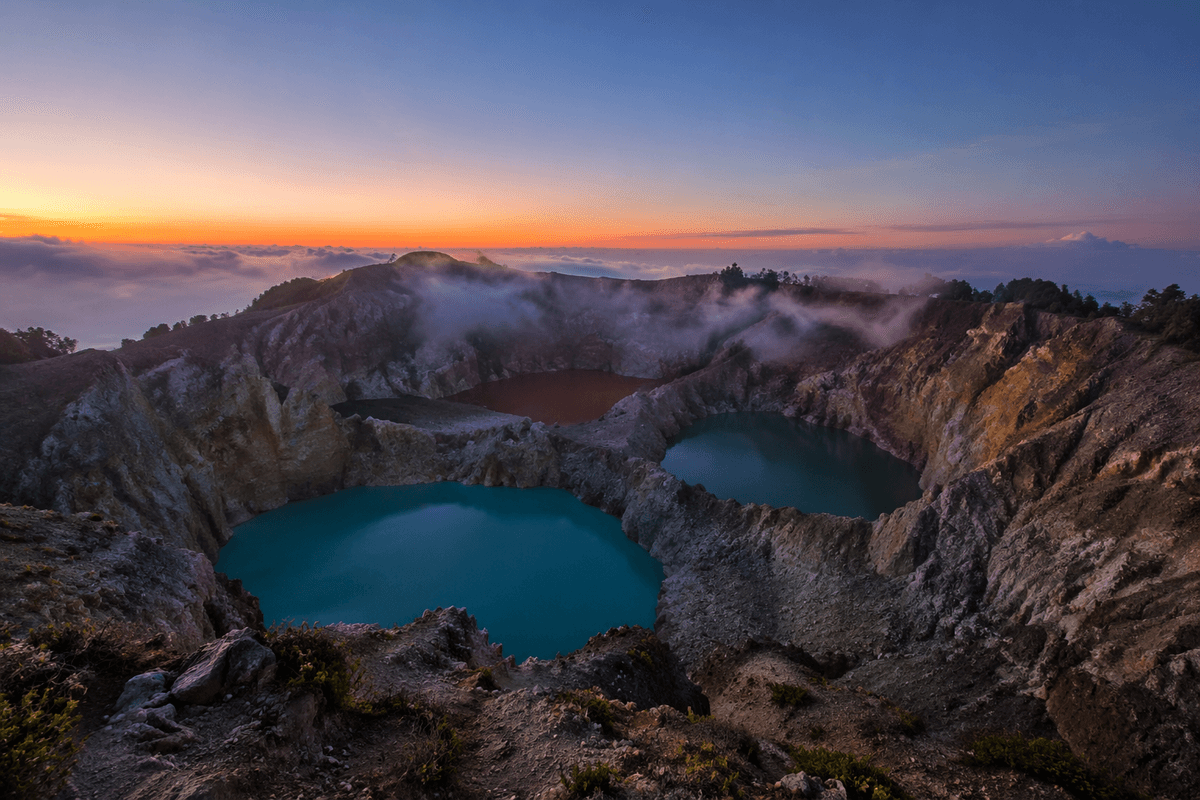
At 3:30 a.m., staring at a dark hotel wall in Moni, I had the same question you probably do: is this sunrise thing actually necessary, or just a travel cliché? For Kelimutu, early really matters—but not because the sun “hits” the lakes like a spotlight. The real advantage is beating the cloud build-up and the busier groups that arrive after dawn; if you’re only giving Flores one morning, you want your highest-probability window.
A workable target is to be at the parking area around 5:00–5:30 a.m., then on the first viewpoint before sunrise. If you’re staying in Moni, that usually means a 4:00–4:30 a.m. pickup (shorter drive, less stress). From Ende, the earlier departure and longer road time increases the risk that you’ll do all the effort and still arrive late to a fogged-in rim.
Strategy-wise, treat sunrise as a two-hour block, not a single moment: even if it’s washed out at first light, the colors can separate as the sky brightens. If clouds are already thick in Moni, a tour won’t fix it—your best “control” is simply having a buffer morning in your plan, or being okay with the gamble.
Getting to Kelimutu: base towns and transport options
The first real choice happens before you even think about permits: where you sleep the night before. Moni is the simplest base because it keeps the pre-dawn drive short and predictable, which matters when you’re trying to arrive before clouds and day-trippers. Ende can work if your Flores routing already funnels you there, but it adds road time and turns “early” into “brutal,” and you feel that cost most when you reach the rim and visibility is already fading.
If you’re coming from Bali with only 3–5 days, the least-stress path is usually flying into Ende airport, then going straight to Moni the same day (roughly 2–3 hours by car, depending on stops and road mood). You can arrange a private driver via your Moni hotel/guesthouse, or take shared transport, but shared options are cheaper and also the easiest way to lose your sunrise buffer if they leave late or fill slowly. Tours can be worth it if you want one WhatsApp booking that bundles car + driver + timing, but they don’t solve weather, and they often move at the pace of the slowest pickup.
For a DIY morning, expect to hire a car + driver from Moni with a 4:00–4:30 a.m. departure; from Ende, you’re looking closer to 3:00 a.m., which is doable, just less forgiving if you’re already tired from transit.
Permits, fees, hours, and what to pack
The first friction point at Kelimutu isn’t the hike—it’s the admin. You’ll buy your entry at the gate/visitor area, and it’s usually straightforward, but prices can change and card payment is unreliable, so arriving without enough cash turns a calm sunrise into a scramble. I’d also keep a photo ID handy; sometimes it’s asked for, and it’s one more thing that’s annoying to realize you left back in Moni.
Hours are built around sunrise, but don’t assume “open early” means “instant entry.” If you’re targeting first light, pad a little time for the ticket queue and a slow-moving group in front of you on the steps. If you’re coming from Ende, that extra 10–15 minutes matters more because you’ve already spent your buffer on the road.
Pack for wind and wet, not just views: a light jacket, rain shell, and shoes with grip (the path can feel slick). A headlamp helps before dawn, plus water and a snack because you don’t want to burn time hunting breakfast right when the clouds start building.
On-site plan: viewpoint sequence, crowds, and photos
The first time I stepped off the car at the parking area, I assumed it would be “walk up, pick a spot, done”—but the real game is flow. If you arrive right at peak (roughly sunrise to 30 minutes after), the stairs bottleneck fast, and even a small tour group can slow you down. If you can, aim to be walking before first light so you’re choosing viewpoints calmly instead of negotiating elbows and tripods.
On the rim, I’d go straight to the main viewing platform first (the one most people naturally gravitate to) to lock in the clearest, widest look while the air is still crisp. Once you’ve got your “proof” shots, move immediately to a quieter angle rather than trying to perfect the same frame in a crowd—conditions change faster than your camera settings. If clouds are drifting through, wait a few minutes for gaps instead of chasing them; hopping between spots can waste the exact window you came for.
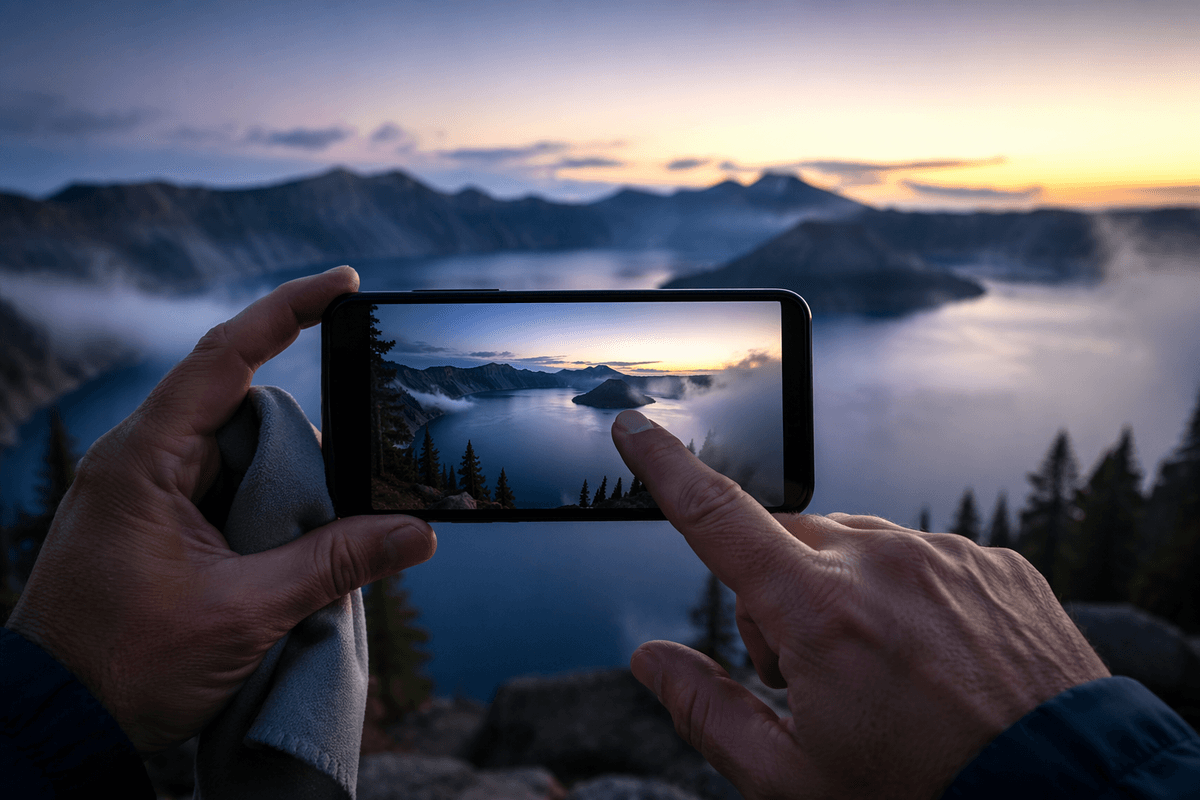
Photo-wise, a phone can absolutely work here, but low light plus brightening sky can trick exposures. I had better results tapping to expose for the lake (not the sky) and taking a few quick variations. Also: bring a small cloth—mist and fingerprints are a boring way to lose your sharpest shot.
Is Kelimutu worth it for your Flores itinerary?
I’d rate Kelimutu “worth it” if you can give it one dedicated sunrise morning from Moni and still have enough slack that a cloudy rim doesn’t wreck your mood. If you’re trying to squeeze it between flights and long road legs, the effort-to-certainty ratio gets shaky fast—especially if you’re already tired from Bali logistics and you’re counting on this to be the highlight.
DIY works when you’re comfortable arranging a driver and carrying cash; it’s cheaper and more flexible, but you’re also the one absorbing every small delay. A tour is worth it when you want fewer moving parts and less pre-dawn decision fatigue, even if you sacrifice some control. My simplest decision cue: if you can’t sleep in Moni the night before, I’d skip Kelimutu and spend that time on lower-effort Flores days instead.