Choosing your first Camino: what surprises newcomers
The first surprise usually hits before you’ve even chosen a route: you can’t optimize everything at once. The Camino that’s “best for beginners” on paper often becomes the one that matches your tolerance for crowds, hills, and logistics friction. A busy route like the Francés can feel reassuring—frequent cafés, pharmacies, and beds—yet it also forces decisions earlier in the day (start times, meal timing, whether you’ll book ahead) because popular towns fill up fast.
The second surprise is how quickly “decent fitness” becomes a budgeting tool. If you can comfortably repeat 18–25 km days, more routes become realistic; if you’re happiest around 15–20 km, you’ll either need extra days or you’ll pay more for taxis/baggage transfer when things start to ache. And while people assume the hardest part is walking, many first-timers find the mental load is actually pacing: going slower can be more enjoyable, but it also narrows your lodging options and makes late-afternoon arrivals feel stressful in peak season.
What first-time pilgrims should prioritize
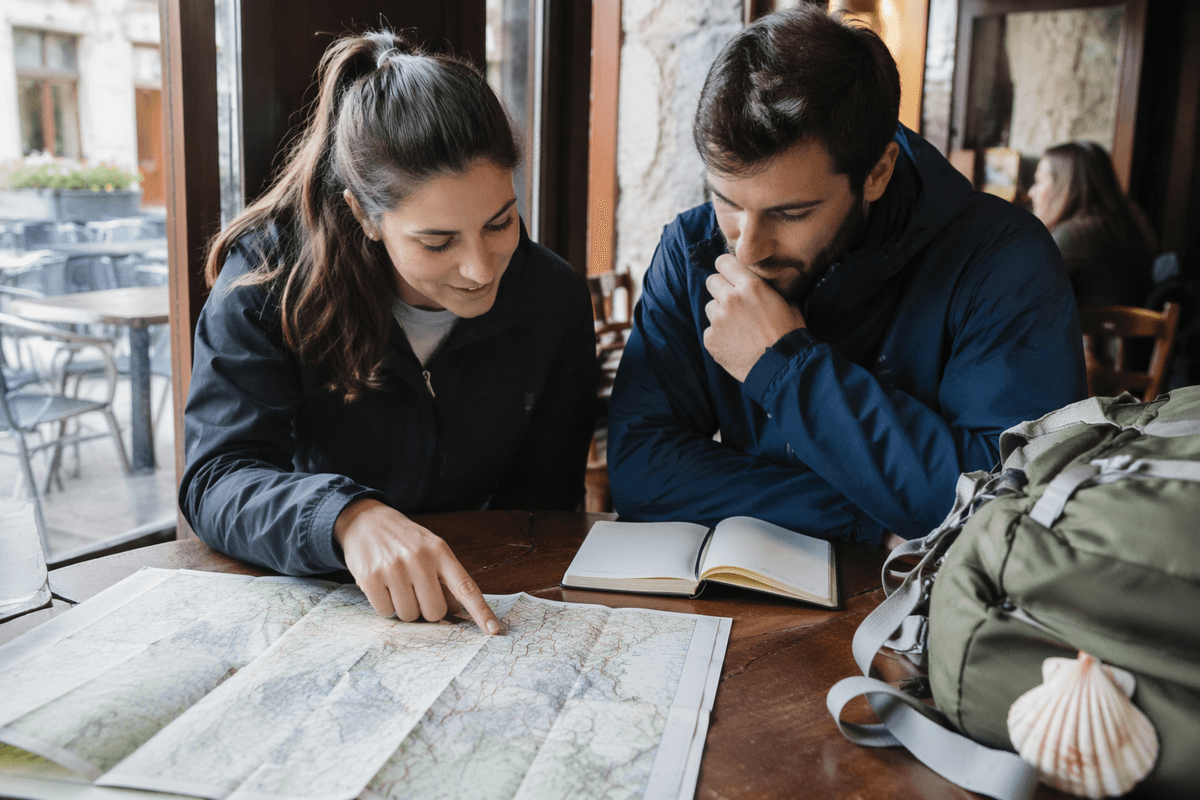
On my first planning pass, I kept staring at route maps when the more useful question was: how many “repeatable” days do you have? For most first-timers with 7–14 days, the priority isn’t max scenery—it’s choosing a rhythm you can sustain without turning every afternoon into a bed hunt. If you’re unsure, plan around 18–22 km as a default and treat anything longer as optional; it gives you room for a slower morning, a long café stop, or a minor blister spiral without immediately needing a taxi or a rest day.
Next: decide how much structure you want from the route itself. High-service corridors (think frequent towns, multiple albergues, easy food access) reduce decision fatigue, but they also make you compete with more walkers for the same beds in peak months. Quieter routes can feel more “yours,” yet a missed lunch stop or a fully booked village matters more when the next option is several kilometers away. If you’re traveling as a pair, this is where expectations need aligning—one person’s “spontaneous” is the other person’s “anxious.”
Finally, pick your lodging strategy before you pick your exact starting point. If you want private rooms every night, you’ll spend more and you’ll benefit from booking ahead (especially Fridays and Saturdays), but you’ll also sleep better and recover faster. If you’re open to albergues, you can keep costs contained and stay flexible—just accept earlier starts and occasional compromises on noise, snoring, and the vibe of a crowded dorm.
Top beginner-friendly routes compared
The first time I tried to “pick the best Camino,” I ended up with a spreadsheet and the uncomfortable realization that every route is a bundle of compromises: crowding buys you services, flatter terrain buys you wind exposure, and “quiet” usually means fewer second chances if your day goes sideways. If you’re arriving from abroad with 7–14 days, the practical move is to compare routes by how forgiving they are when you’re tired, slightly lost, or simply done making decisions at 4 p.m.
Camino Francés (last 100 km from Sarria) is the most beginner-forgiving in terms of infrastructure: frequent towns, lots of beds, and a constant flow of people if you want company or reassurance. It’s also the route where spontaneity can get expensive—private rooms and popular albergues vanish first, and the “bed hunt” pressure is real in peak season unless you start early or book a day or two ahead. If you want maximum support and don’t mind sharing the trail (and sometimes the dorm), this is the easiest logistics win.
Camino Portugués (last 100+ km from Tui) is my favorite “middle ground”: still well-served, often a touch less chaotic than Sarria, with a rhythm that suits 18–22 km days. Some stages can feel more built-up and road-adjacent, and if you choose the Coastal/Variante Espiritual flavor for scenery, you’re also choosing more weather exposure and slightly more planning friction (fewer big hubs, more reliance on timing). Camino Inglés (from Ferrol) works brilliantly for a shorter trip and can feel calmer, but it’s less cushioned—miss your preferred stop and your alternatives thin out faster. Primitivo is the “I’m fit and I want it to feel earned” option: beautiful and quieter, but hillier and less forgiving if you’re unsure about repeatable mileage.
Match a route to your timeline and travel style
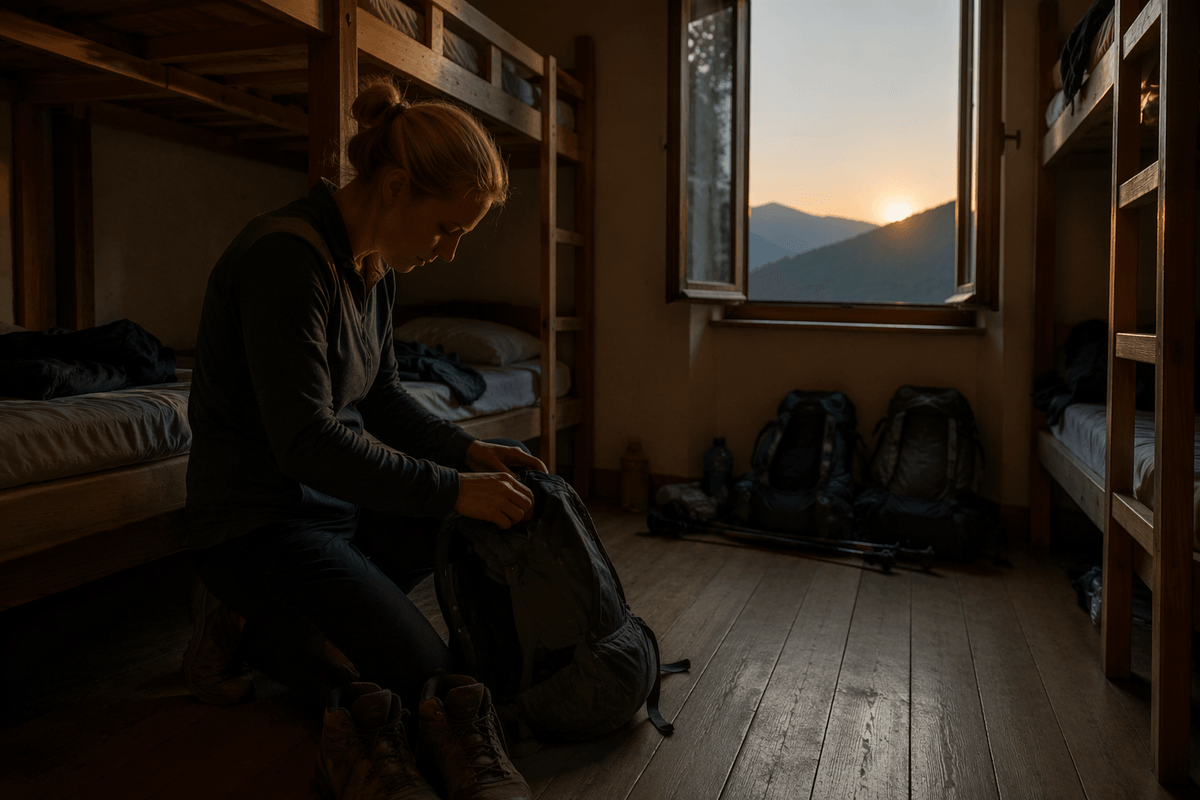
The moment it clicked for me was staring at flight prices and realizing my “two-week Camino” was really ten walking days once you subtract jet lag, a buffer night, and the trip home. If you have 7–9 days total, Camino Inglés from Ferrol is the cleanest fit: you can finish without cramming in 30 km days, but you do give up some flexibility—fewer towns means a single bad night’s sleep or a late start can ripple into your lodging options. With 10–14 days, you can choose based on what you want your days to feel like, not just what you can physically survive.
If you want the most “set-it-and-forget-it” rhythm, the Francés from Sarria is still the easiest to operate: frequent services, obvious social gravity, and lots of bailout options if something hurts. The catch is mental rather than physical—on busy weeks you may end up walking earlier than you’d like just to keep lodging low-stress, especially if you prefer private rooms. If you want a steadier middle lane, Portugués from Tui matches 18–22 km days well and usually feels a notch less frantic; it’s not always as storybook-rural as people expect, but it’s forgiving.
If your travel style is “quiet mornings, scenic payoff, and I don’t mind work,” Primitivo earns its reputation—just be honest about consecutive climbs and weather swings making a normal day feel longer. For pairs, I’d decide one thing up front: are you optimizing for togetherness (book a bit, smoother nights) or freedom (more improvisation, more occasional stress). That single choice tends to pick the route for you.
Arriving in Santiago: the right route is the one you’ll finish
I remember the last morning feeling oddly practical: not “How epic was this?” but “Can I get into Santiago without turning today into a forced march?” That’s the lens I’d use to pick your first Camino. The best beginner route isn’t the one with the most famous photos; it’s the one that still works when you’re a little sore, the weather is uncooperative, and your patience for logistics has run out. If you suspect you’ll need shorter days, choose a more serviced corridor (Francés/Portugués) so a slower pace doesn’t instantly become a problem. If you know you’ll crave space and don’t mind paying with effort, Inglés or Primitivo can feel cleaner—just less cushioned when a stage doesn’t go to plan.
Arriving in Santiago itself is rarely the hard part; it’s the accumulation. A route you can finish without bargaining with your body every afternoon usually means you’ll enjoy the city more: a relaxed shower, a late lunch, the simple pleasure of not checking bed availability. If you’re torn, decide based on your “worst plausible day,” not your best: pick the route where that day is inconvenient—not trip-defining.