A simple sprinkle sounds easier than it is
It often looks like the easiest fix: shake a little chia over toast, yogurt, or a smoothie and assume the job is done. In practice, that small step can feel oddly inconsistent. One morning it seems invisible, and the next it leaves a faint grit, a swollen layer on top, or a drink that thickens more than expected before you finish it. That mismatch is part of why a “simple sprinkle” does not always turn into a routine.
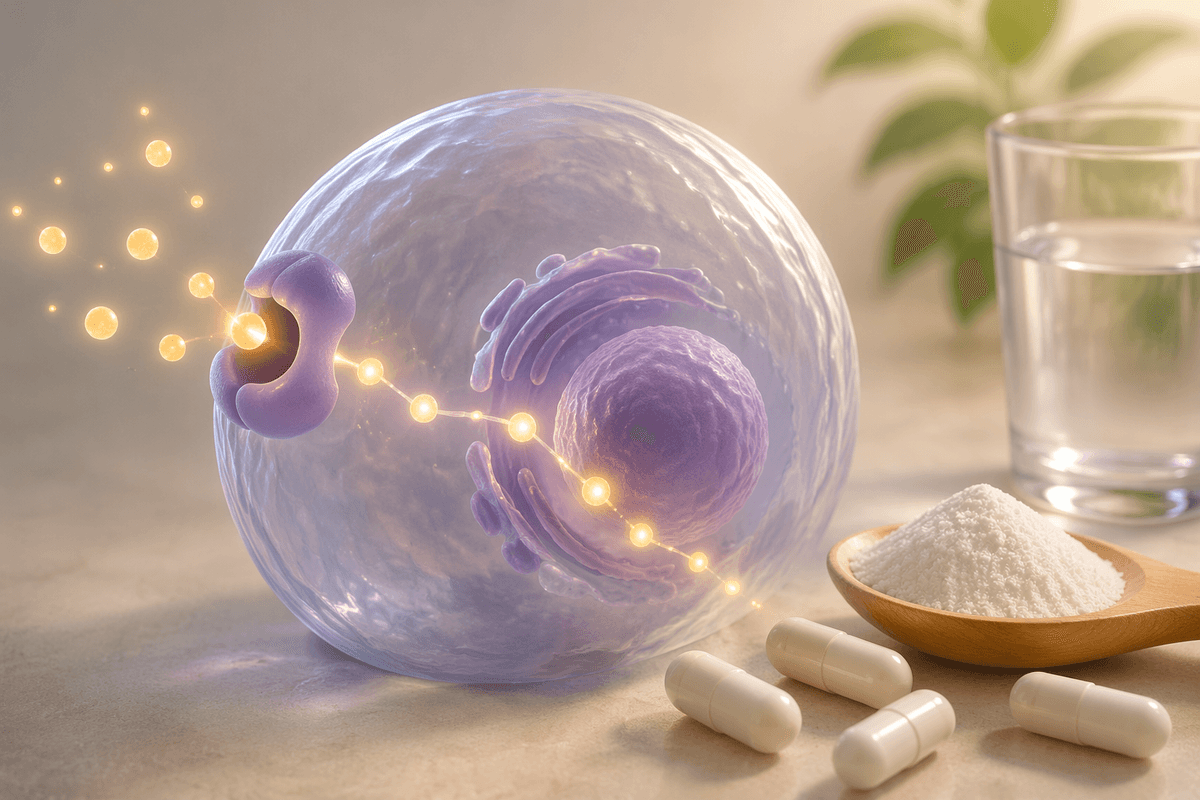
What changes the experience is not just the seed itself, but what happens after it meets liquid. Chia starts pulling in water quickly and forms a gel around each seed, which may slow how fast food moves through digestion and help a meal feel more substantial. But the same process can also make quick foods less predictable. If there is too little fluid, the texture may feel dry or clumped. If there is enough, fullness may build more gradually than people expect, which is easy to misread as the addition not doing much at first.
That is why the effect can seem smaller or bigger depending on the food underneath it, not just the amount you add.
Yogurt handles chia with the least friction
That shows up most clearly with yogurt, where the change is usually easier to live with. A spoonful stirred into yogurt may thicken it, but not so fast that the food turns awkward halfway through eating. Because yogurt already has moisture and body, the seeds have somewhere to hydrate without creating the same dry patches that happen on toast or the sudden drag that can show up in a smoothie. For someone eating quickly between tasks, that lower-friction texture often matters more than the nutrition logic.
There is also a quieter reason yogurt tends to work. Its thickness slows the seeds down physically, so the gel forms within a food that already feels dense and cohesive. That makes the shift less noticeable, even when digestion may be slowing somewhat underneath. In some cases, people read that steadier, heavier feel as “more filling,” when part of what they are noticing is a combination of bulk, protein, and delayed stomach emptying rather than chia alone.
A little chia in Greek yogurt may feel balanced, while the same amount in a thinner yogurt can become pasty or uneven, especially if it sits longer than expected.
Smoothies seem effortless but can turn slippery
At first sip, it may seem like nothing changed. Then halfway through the glass, the drink starts feeling heavier, a little slick, sometimes oddly hard to finish. Smoothies create that mismatch because they begin as the most convenient place to hide chia, especially when breakfast is already rushed. But liquid moves fast here. The seeds hydrate while the drink sits, so a smoothie that seemed light at the blender can thicken by the minute in the cup or bottle.
That shift is not just about texture. When chia absorbs fluid, it creates more internal bulk, and that can slow how quickly the smoothie leaves the stomach. In some cases, that helps energy feel steadier later on. The catch is that people often misread the early experience: a thin smoothie feels easy, so more chia seems harmless, until the balance tips and the drink turns slippery, pudding-like, or unexpectedly filling before the meal around it feels complete.
Oatmeal rewards small amounts more than big ones
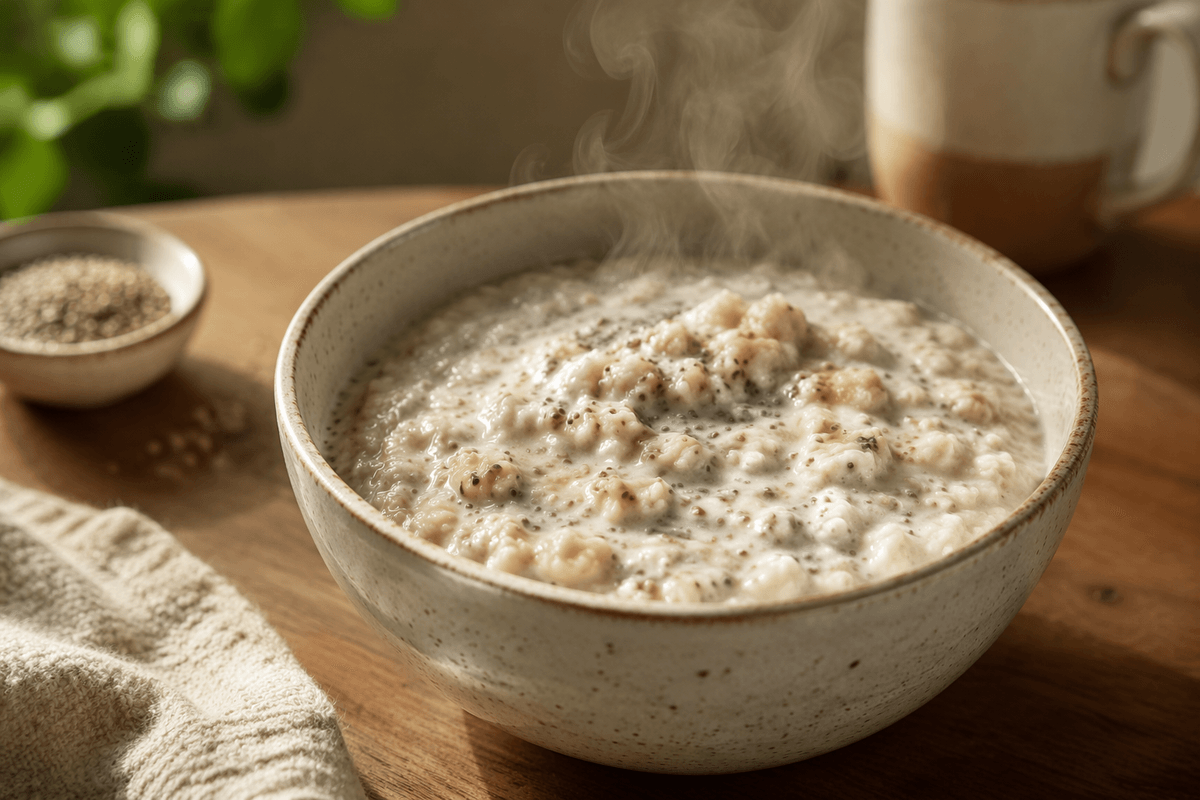
With oatmeal, the shift often feels gentler at first. A small spoonful of chia can disappear into the bowl and make the oats seem a little more lasting without changing breakfast into something you have to work through. That tends to matter because oats are already thickening as they sit. Add too much chia, and the texture can move past cozy into heavy, pasty, or strangely tight by the last few bites, especially if the bowl was not very loose to begin with.
Oats release starch as they cook, which already draws the mixture together; chia adds another layer of water binding on top of that. In a modest amount, that extra gel may slow digestion and help fullness build more evenly. In a larger amount, the same process can make the meal feel denser than expected, and people may read that as “more filling” when it is partly just more physical resistance in the bowl.
Dry snacks reveal where convenience breaks down
The limit usually shows up when there is not much moisture to work with. A few chia seeds on peanut butter toast, crackers, or a granola bar can seem like the fastest upgrade, but this is where convenience often starts to fail. Instead of blending in, the seeds may stay loose, catch in the mouth, or cling to the surface without changing fullness much at all. That can feel confusing because the food looks more fiber-rich, yet hunger may return on the same schedule.
Chia changes most when it has enough fluid to swell into a gel, and dry snacks do not offer much of that at the start. So the texture shift happens late or unevenly, sometimes in the mouth or stomach rather than in the food itself. In some cases, that makes the snack feel harder to eat without making it noticeably more satisfying, especially if the rest of it is still mostly quick-digesting starch.
What drives the texture shift beneath the surface
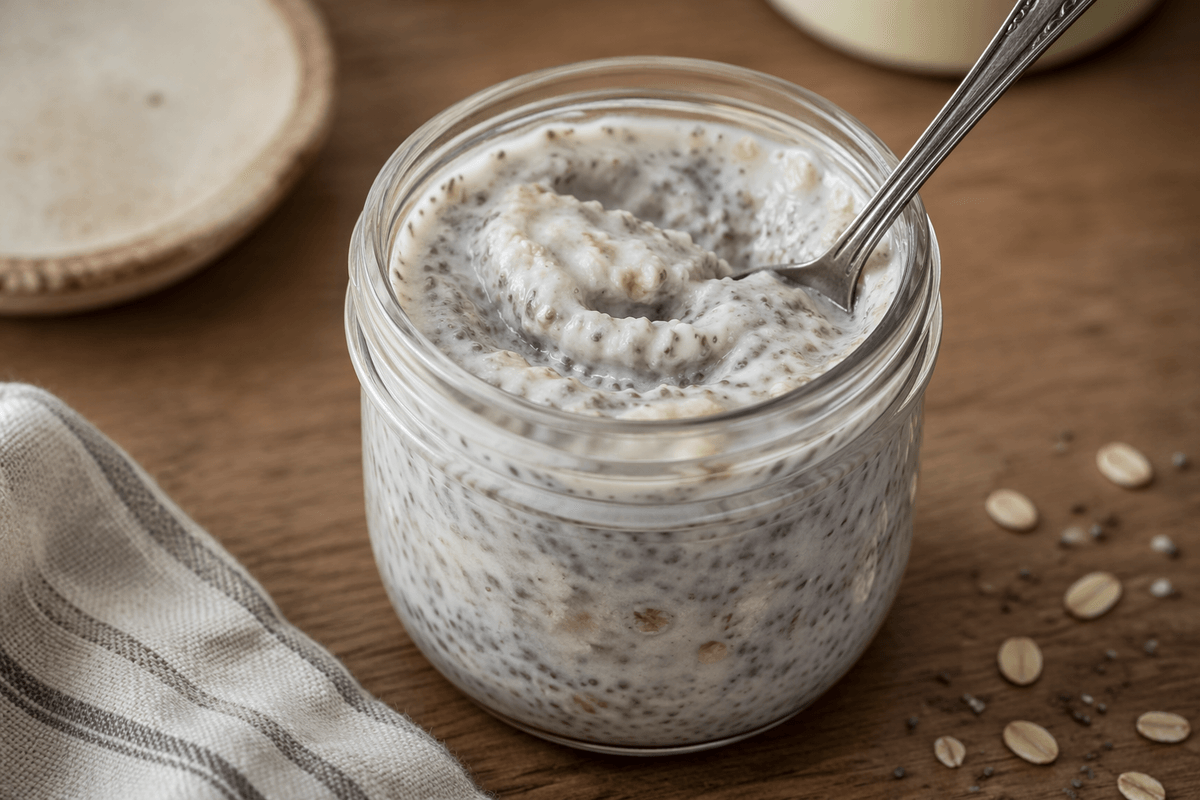
You notice it most in the pause between bites or sips. Something that started loose becomes thicker, heavier, or a little more resistant, even though nothing new was added after the first stir. That change happens because chia keeps pulling in surrounding liquid over time. A soft gel forms around each seed, and the more available fluid there is, the more noticeable that shift may become. In foods that already thicken on their own, like oats or yogurt, the change can feel subtle at first and then suddenly seem like too much.
That same process may also change how the meal feels later in the body. When more water is held within the food, the mixture tends to have more bulk and may move through the stomach more slowly. Fullness can build later than expected, which is easy to misread if someone is used to a quick breakfast that feels light going down but leaves them hungry soon after.
The inconsistency usually comes from the rest of the meal, not just the seeds. A small amount in a high-protein yogurt may feel steady, while the same amount in a thin smoothie or dry snack behaves very differently. Portion size, sitting time, and fluid all keep shaping the experience after the first spoonful.
The easiest routine is usually the least ambitious
What tends to last is not the version that looks most efficient on paper. It is usually the one that asks the least of a rushed morning: a small amount stirred into yogurt, oats, or another food that already has enough moisture. That may seem underwhelming at first, especially if the goal is to feel dramatically fuller. But bigger additions often create enough thickness, drag, or inconsistency that the habit starts feeling like work.
That pattern makes sense beneath the surface. Chia changes a meal gradually, not all at once, and the body does not always read delayed fullness as an immediate win. People often expect a noticeable effect right after eating, so they add more when the first amount was probably doing enough. In some cases, the easier routine is simply the one that stays tolerable day after day. If a breakfast keeps becoming hard to finish, that may be the signal to scale back rather than push it.